


Cat Dash: Cute Cat Music Game
4.855.00 Reviews
App Specs
- Version
- 2.0.64
- Updated On
- License
- Free
- Downloads
- 500,000+
- Developer
- AMANOTES PTE. LTD.
- Categories
- Arcade
- Platform
- Android
Screenshots
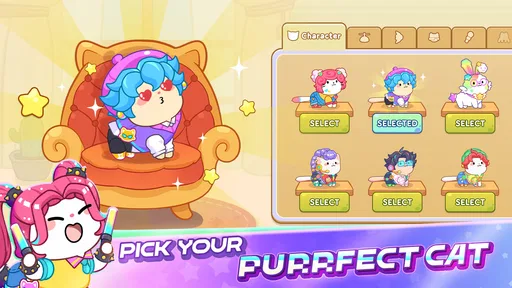
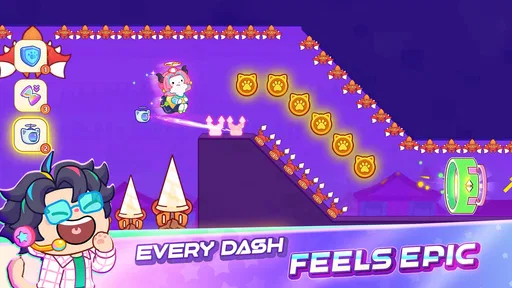
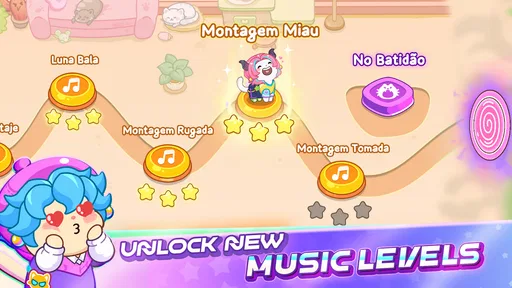
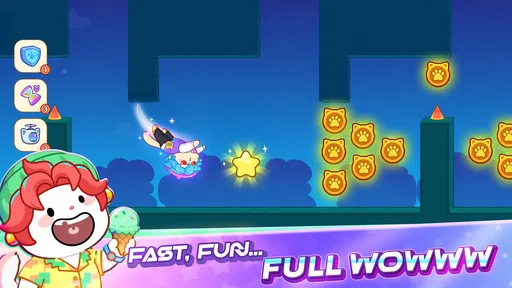
 Analysis by AppCompare
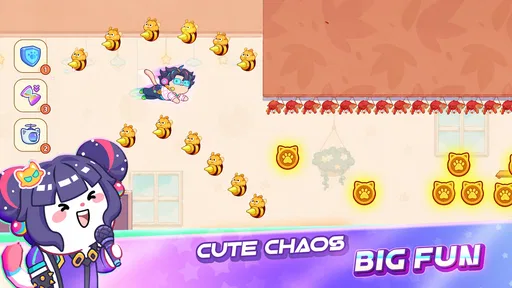
I picked up Cat Dash: Cute Cat Music Game expecting a quick arcade distraction, and that is exactly where it makes the strongest impression. It is a rhythm-focused platform game from AMANOTES PTE. LTD. in which the appeal comes from matching movement to a musical flow while guiding a cheerful cat through short bursts of action. The presentation is light, friendly, and easy to understand, but the timing gives it more bite than the cute artwork suggests.
My overall reaction is positive, with one important qualification: this is best treated as a compact game for repeat sessions rather than a deep adventure that you finish once and remember for months. It works well when I want something immediate, colorful, and built around rhythm. It is less convincing for anyone looking for a large story, extensive character development, or the strategic depth of a traditional platformer.
How the game feels in everyday play
The basic attraction is the combination of music and movement. Instead of asking me to study complicated controls, the game puts the emphasis on reacting at the right moment. That makes the first few attempts approachable, especially for players who do not usually spend time with arcade games. The cat theme also softens the pressure: failure feels like part of the rhythm-game loop rather than a serious setback.
I found the format particularly suitable for short breaks. If I had a few minutes before leaving home or wanted something to play while waiting, I could start quickly and focus on the immediate sequence in front of me. That kind of session is where the game earns its place. It does not need a long explanation before becoming entertaining, and its music-centered design gives each attempt a clear purpose.
At the same time, the simplicity of the concept means that the quality of the moment-to-moment timing matters a lot. When the beat, visual cues, and cat movement feel aligned, the game is satisfying because success seems earned through attention. When I am not in the mood to concentrate, the same design can feel demanding. This is not a passive background game; even a cute presentation still asks me to stay alert.
The game belongs to the arcade category, and that label is useful because it sets the right expectations. I would not approach it as a conventional platformer with exploration, inventory management, or a sprawling world. Its pleasure comes from repetition, improving reactions, and trying to handle the next musical sequence more cleanly than the previous one.
A friendly starting point, with room for personal skill
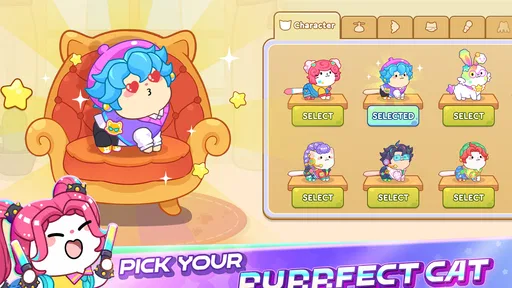
One of the better choices here is the contrast between the welcoming theme and the timing-based challenge. A younger player can understand the cat, colors, and music immediately, while a more experienced arcade player can still care about precision. That gives it a broader audience than the art style alone might suggest.
Worth Reading Before You Choose

EA SPORTS FC Mobile 26 Is a Bigger Football Game, but It Takes Time

Flipboard Shows What News Apps Must Do Beyond the Feed

Switching to Android Auto Means Rethinking Your Driving Routine

Google Calendar Makes a Crowded Week Easier to Manage

Ludo King Makes the Most of the Minutes Between Plans

Baby Panda World Brings Quick Play to Modern Phones, but Its Game Library Feels Busy
Still, I would not confuse accessibility with unlimited simplicity. Players who struggle with rhythm games may need several attempts before the movement starts to feel natural. My practical advice is to treat the first sessions as calibration rather than a test of ability. Watch how the action relates to the music, avoid rushing after an early mistake, and learn the recurring visual pattern instead of reacting emotionally to every miss.
That approach is more useful than simply tapping faster. Rhythm games often punish panic, and this one is most enjoyable when I settle into a steady pace. If the music is distracting rather than helpful, lowering the surrounding noise or using headphones may make the timing easier to follow, although the right setup will depend on the player and device.
What the free entry point means for value
The game is free to download, which makes trying it straightforward. That matters because its appeal is quite personal: some players will enjoy repeating musical sections, while others will quickly decide that the format is too narrow. Free access lets me make that decision through play instead of committing money before I know whether the rhythm-platforming loop suits me.
There are in-app purchases ranging from $0.99 to $99.99 per item. I see that as the main point where readers should slow down and decide what kind of player they are. The free starting point provides a low-risk way to explore the game, but the presence of optional purchases means the total value depends on whether I am satisfied with the no-cost experience or tempted to spend for additional convenience or content.
I would not describe the game as a paid premium purchase, because the initial download does not require payment. I would also avoid assuming that every player gets the same value from the purchase options. Someone who only wants occasional five-minute sessions may find the free version perfectly adequate, while a dedicated player could view spending differently. The sensible approach is to play first, understand what is available without paying, and set a personal limit before making any purchase.
That distinction is important for families. The content rating is Everyone, and the cheerful tone makes it approachable for a wide age range, but an age rating does not replace supervision of spending. If a child uses the device, I would make sure the account and purchase settings match the household’s rules. The game can be suitable for younger players while purchases still deserve adult attention.
Small-session design versus long-term depth
The strongest value comes from replayability. I can return for another attempt without needing to remember a complicated plot or rebuild a strategy. That makes the game a useful companion for commutes, waiting rooms, or a short mental reset. It also means the game’s value is tied to whether I enjoy practicing the same kind of skill repeatedly.
Here is a realistic example: after a tiring workday, I might not want a story-heavy game that demands a large time commitment. A few rounds of Cat Dash can provide a focused break because the goal is immediate and the feedback is easy to understand. If I miss a sequence, I can try again rather than spend the rest of the evening recovering from a long failed mission.
The trade-off appears when I want variety. A rhythm platformer can become repetitive if I need constant changes in mechanics, narrative, or environment. Compared with a standard endless runner, the music gives this game a more deliberate identity than simply avoiding obstacles for as long as possible. Compared with a full rhythm game, however, its platforming angle may feel less musically rich to players who want a large song library or detailed performance tools.
It also differs from a traditional platform game. A conventional platformer usually rewards route planning, exploration, and learning physical movement through a level. Here, I am more interested in the relationship between the beat and the cat’s actions. If I want puzzles, secrets, and a sense of discovering a world, another arcade or platform title would probably offer better value for my time.
Practical ways to get more from each attempt
My first useful tip is to separate learning from scoring. On an early run, I would focus on recognizing when the game expects movement rather than trying to perform perfectly. Once the sequence feels familiar, I would aim for cleaner timing. This reduces the common mistake of treating every failed attempt as evidence that the game is unfair.
A second tip is to use the music as an active guide, not just decoration. If I watch the cat alone, I can become late when the screen gets busy. Listening for the repeating pulse helps me anticipate the next action. Players who normally mute arcade games may lose part of what makes this particular design work, so I would test it with sound before judging the controls.
A third trade-off concerns session length. Longer play can help build rhythm, but it can also make small timing errors more frustrating. I prefer several focused attempts to one extended session after my attention has faded. This is especially helpful on a phone, where interruptions are common and the game’s quick format naturally supports stopping and starting.
Finally, I would not spend money simply because I had a bad run. Purchases should improve a game I already enjoy, not compensate for a lack of interest in its core loop. Since the available items can reach a substantial price, deciding in advance what the game is worth to me is more reliable than making an impulse purchase after a difficult sequence.
Technical fit and basic expectations
The listed minimum operating system is Android 7.0, so the game is aimed at a broad range of Android devices rather than only the newest phones. That is useful for readers with older compatible hardware, although real comfort can still depend on screen response, audio performance, and how smoothly a particular device handles the game.
The current version is 2.0.64. I would keep the app updated through the normal store process when possible, especially for a timing-sensitive game where responsiveness matters. An update number alone does not tell me how the experience will feel on every phone, so I would pay attention to whether input and sound remain synchronized on my own device.
Its public reception is encouraging: the game has a 4.9 average from around 1.1 thousand ratings, with over 500 thousand installs and 54 written reviews. Those figures suggest that many players respond well to the concept, but I would still treat them as a starting signal rather than a guarantee. A high average cannot remove the personal question of whether I enjoy rhythm-based repetition.
The developer, AMANOTES PTE. LTD., gives the game a clear identity through the blend of music, arcade movement, and cat presentation. For me, that combination is more memorable than a generic jumping game because the musical timing changes how I pay attention. It is not a reason to overlook the limitations, but it does help the game stand apart from ordinary quick-play titles.
Who will find the best value here?
I would recommend it to players who like short arcade sessions, cheerful character designs, and games that reward improving reaction time. It is also a good candidate for someone who wants to test a rhythm game without paying at the start. The free entry point makes experimentation easy, while the Everyone rating makes the tone broadly approachable.
It may also suit families looking for a simple game to try together, provided an adult handles purchase boundaries. A parent could let a child explore the basic play while discussing when to stop, rather than presenting the game as an unlimited source of entertainment. The cat theme is inviting, but the rhythm challenge still gives older players a reason to participate.
I would skip it if my priority is a substantial single-player campaign, deep customization, or a platformer built around exploration. I would also look elsewhere if I dislike replaying short patterns to improve accuracy. A story adventure would be a better use of my time in that case, while a more dedicated rhythm title would suit someone who wants music to be the entire focus rather than one half of the design.
Players sensitive to spending prompts should also approach carefully. Free access is valuable, but the purchase range means the game is not automatically cost-free in practice. I would recommend it to someone comfortable ignoring optional purchases or setting firm limits, not to someone who wants a completely purchase-free environment without needing to think about it.
My final recommendation
After spending time with it, I see Cat Dash as a likable, focused arcade game rather than an all-purpose mobile experience. Its best qualities are immediate access, a distinctive cat-and-music identity, and a loop that fits naturally into short breaks. The rhythm element gives ordinary platform movement a clearer sense of timing, which is the main reason I would choose it over a basic casual runner.
Its limitations are equally clear. The format can feel repetitive, success depends on sustained attention, and the purchase range means I would make spending decisions deliberately. Those are not deal-breakers for the right player, but they matter if I am comparing it with a premium game or a deeper free title.
My verdict is to try it for free if you enjoy musical timing and quick arcade challenges. I would play several sessions before considering any purchase, decide whether repeating patterns remains enjoyable, and keep household spending controls in place. For a friend who wants a cute, responsive game for short bursts, I would recommend it. For someone seeking a rich adventure or a completely frictionless premium experience, I would point them toward a different kind of game.
Pros
- Simple one-touch controls are easy for beginners to learn.
- Cute cat visuals give the game a cheerful
- family-friendly style.
- Short levels work well for quick gaming sessions.
- Music and rhythm make ordinary tapping feel more engaging.
- Progress feels rewarding as players improve their timing.
Cons
- Repeated tracks may become familiar after extended play.
- Fast sections can feel difficult for players with slower reactions.
- Gameplay may offer limited variety between longer sessions.
- Some features may require an internet connection to access.
- Frequent retries can feel repetitive when chasing higher scores.
FAQs for Cat Dash: Cute Cat Music Game
What is Cat Dash: Cute Cat Music Game?
Cat Dash: Cute Cat Music Game is a casual rhythm game that combines colorful cat characters with music-based challenges. Players guide a cat through fast-moving stages while tapping or reacting to the beat to avoid obstacles and collect rewards. Its simple controls make it approachable for younger players and casual gamers, while increasingly difficult levels provide a greater challenge for anyone who enjoys timing-based gameplay.
How do you play Cat Dash: Cute Cat Music Game?
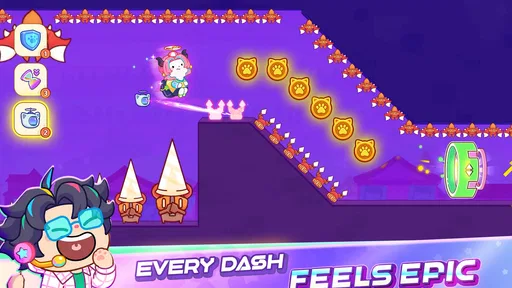
The main gameplay focuses on timing your actions to the music. As the cat moves through each level, you generally tap the screen or follow on-screen prompts to jump, change direction, avoid hazards, and collect items. Successful actions keep the run going and may improve your score. The controls are easy to learn, but faster songs and more complicated patterns require concentration and practice.
Is Cat Dash: Cute Cat Music Game free to download and play?
Cat Dash: Cute Cat Music Game can typically be downloaded without an upfront payment, although the exact availability and pricing may vary between Android and iOS. Like many free casual games, it may include optional in-app purchases for cosmetic items, extra content, currency, or other bonuses. Before downloading, users should check the store listing for current purchase details and review whether advertisements are included.
Does Cat Dash: Cute Cat Music Game require an internet connection?
Some parts of Cat Dash: Cute Cat Music Game may work without a constant internet connection, particularly previously loaded levels or basic single-player gameplay. However, an online connection may be needed for downloading new content, displaying advertisements, synchronizing progress, accessing rankings, or completing in-app purchases. If offline play is important to you, test the game in airplane mode after installation because features can differ by version.
Is Cat Dash: Cute Cat Music Game suitable for children?
The cute visual style, animal characters, and straightforward rhythm gameplay make Cat Dash: Cute Cat Music Game appealing to children and families. Nevertheless, parents should review the app’s age rating, privacy information, advertising practices, and in-app purchase settings before allowing younger players to use it. Fast gameplay may also become frustrating for some children, so parental guidance and purchase restrictions are recommended.


